Blog Summary
We explain how biometric attendance systems work, the types of machines available, and why they are essential for accurate employee tracking. Learn about fingerprint scanners, facial recognition, iris scans, and voice recognition technology, and discover how they integrate with modern HR software for efficient payroll and workforce management.
Why Biometric Attendance Systems Matter
Managing employee attendance manually can be time-consuming, error-prone, and insecure. A biometric attendance system uses unique biological traits like fingerprints or facial recognition to automatically track employee attendance, ensuring accuracy and accountability.
Whether you run a small office or a large enterprise, adopting a biometric attendance machine streamlines operations, improves security, and integrates with payroll and HR systems.
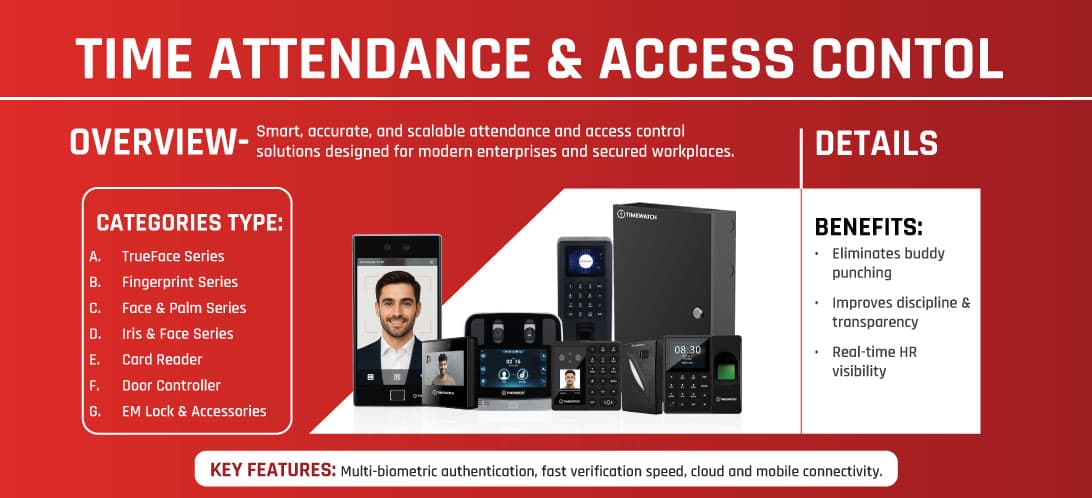
Types of Biometric Attendance Machines
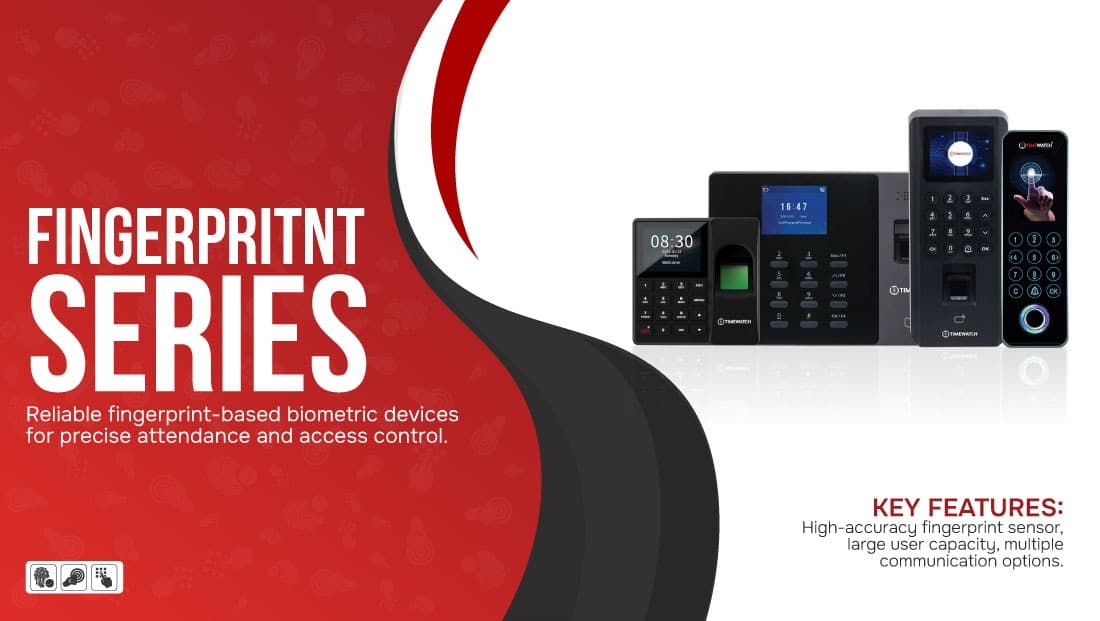
1. Fingerprint Attendance Machines
Fingerprint attendance machines are the most cost-effective and widely used solution for employee attendance tracking.
They offer a quick scanning process, making them ideal for small and medium-sized offices.
These machines ensure accurate attendance data, reducing errors and manual work for HR departments.
2. Facial Recognition Machines
Facial recognition attendance machines provide a contactless and hygienic way of tracking employee presence.
They are perfect for large offices and hybrid workplaces, as they can operate efficiently under
different lighting conditions. These machines are also highly secure and prevent proxy attendance.
3. Iris & Retina Scanning Machines
Iris and retina scanning machines are extremely secure and difficult to hack, making them ideal for banks,
laboratories, and high-security areas. Though more premium in price, they provide the highest level
of accuracy and security for sensitive work environments.
Advantages of Biometric Attendance Systems
- Eliminate Proxy Attendance: Ensures employees can’t mark attendance for someone else.
- Save Time: Automates check-in/check-out processes.
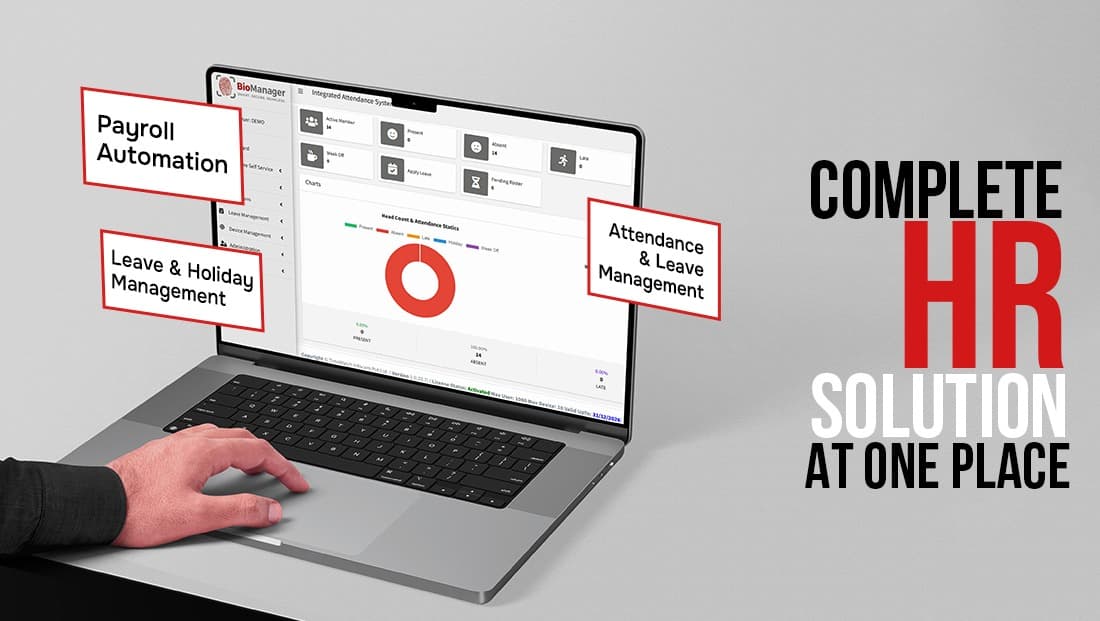
- Accurate Payroll: Integrates with HR software for error-free payroll.
- Cloud Monitoring: Track employees across multiple locations.
- Data Analytics: Generate attendance reports instantly.
How a Biometric Attendance Machine Works
- Enrollment: Employee biometric data is registered in the system.
- Verification: At check-in/out, the machine matches the live scan with stored data.
- Reporting: Detailed reports can be exported for HR and payroll.
How to Choose the Right System
- Company Size: Fingerprint machines for small offices, facial recognition for larger ones.
- Budget: Fingerprint machines are affordable; iris scanners are premium.
- Integration: Works with HR and payroll systems.
- Ease of Use: Minimal training required for employees.
- Security Compliance: GDPR and local privacy compliance.
Future of Biometric Attendance Systems
- AI-powered & Contactless: Facial recognition and mobile attendance are becoming standard.
- Remote Workforce Ready: Hybrid and remote employees can log attendance via mobile devices.
- Real-Time Analytics: Cloud-based systems offer attendance insights anytime, anywhere.
Conclusion
Investing in a biometric attendance system & machine is not just about tracking hours, it’s about improving operational efficiency, security, and employee accountability. With automation, analytics, and cloud connectivity, these systems are the future of workforce management.